
Spiritual Practice
AT BEYT TIKKUN
Being spiritually alive requires slowing down long enough to notice beauty, awe, and wonder. As Abraham Joshua Heschel taught, spiritual practice is “our humble answer to the inconceivable surprise of living”—a way to reconnect with the mystery that animates all being.
Prayer, meditation, time in nature, singing, dancing, laughter, joy, and deep presence with loved ones can open us to a deeper spiritual reality. When we nourish ourselves through these practices, we gain the clarity, resilience, and courage needed to engage the world with urgency and compassion. Through divine connection, we learn to recognize the sacred in one another and in all life.
Yet spiritual practice loses its meaning if it becomes an escape from the suffering of the world. Inner growth without engagement can lead to withdrawal rather than transformation. Spiritual life cannot flourish in the midst of soul-destroying social realities unless we challenge those realities directly. Spiritual practices help us sustain our work for the long haul.
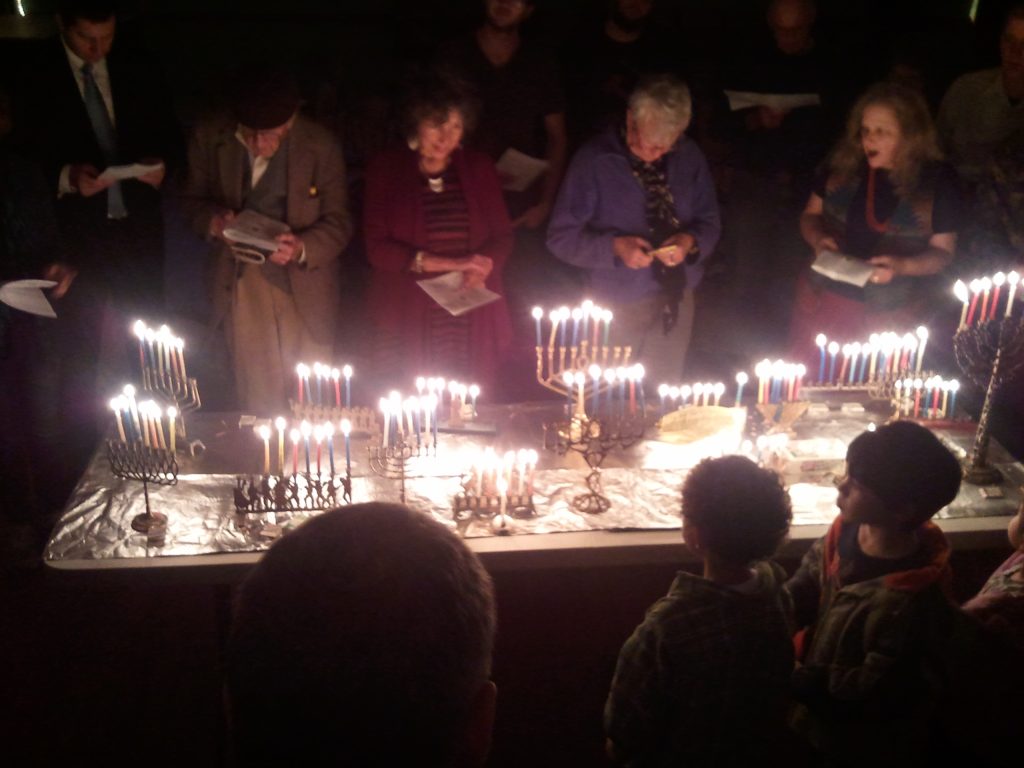
Today’s service was phenomenal. It was so calming and centering, followed by that exceptionally beautiful Tu B’Shvat haggadah. I haven’t felt this spiritually renewed in quite a while.
“Prayer is meaningless unless it seeks to overthrow and ruin the pyramids of callousness, hatred, opportunism, and falsehoods. The liturgical movement must become a revolutionary movement.”
— Abraham Joshua Heschel
At Beyt Tikkun, spiritual practice is embodied, relational, and rooted in justice. You may encounter:
- Prayer and worship grounded in traditional Jewish liturgy and renewed through joy that is located in Jewish wisdom tradition, intersectional feminism, and prophetic consciousness
- Meditation and contemplative practices that cultivate presence, resilience, and spiritual awareness
- Song, chant, and movement that awaken the heart and build communal connection
- Sacred study that wrestles with our Jewish texts raising questions of moral clarity, courage, addressing important social issues of our time, engaging in difficult conversations, honoring our lived experiences, and calling in the world for which we yearn and know is possible
- Rituals of healing and remembrance that honor grief, joy, and life’s transitions
- Nature-based and embodied practices that reconnect us with the Earth and the sacredness of all life
- Spiritual activism that weaves prayer, reflection, and action to challenge injustice